Preservative-Free vs Regular Eye Drops: Which Is Better for Frequent Dry Eye Relief?
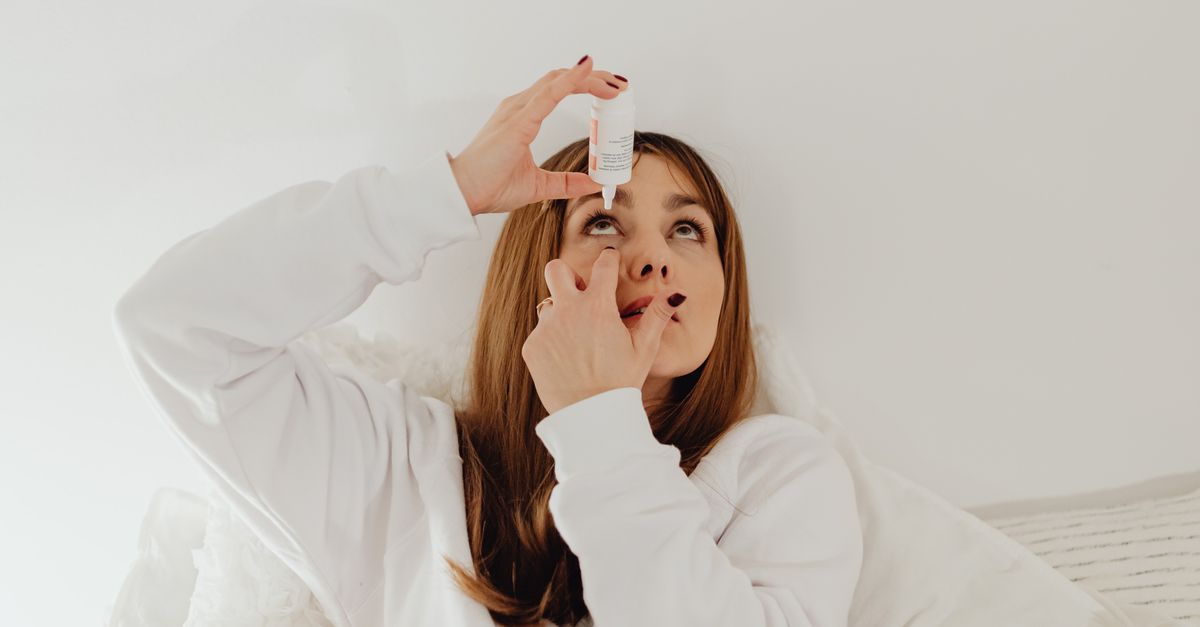
If you need lubricating eye drops several times a day, preservative-free artificial tears are generally the better starting choice. They provide lubrication without repeatedly exposing your eyes to a bottle's preservative. Regular, preserved artificial tears can still be a reasonable option when dryness is occasional and the drops feel comfortable.
The distinction matters most when symptoms are persistent. A preservative-free label does not guarantee that a drop will suit your eyes, and neither type of artificial tear treats every cause of dryness. If you need drops throughout the day, your eyes sting when you use them, or relief lasts only a short time, it is worth finding out why. At Lake Forest Family Optometric Eyecare, we help patients separate a drop-selection problem from an underlying dry eye, eyelid, allergy, or contact lens issue.
A practical rule of thumb is to consider preservative-free tears when you use lubricating drops around four or more times daily. That is a decision point, not a universal safety limit. The product label, your symptoms, and your eye health should guide how you use any drop.
What do preservative-free and regular eye drops mean?
In this comparison, regular eye drops means preserved lubricating artificial tears, not every medication sold as an eye drop. A preservative helps protect a multidose bottle against microbial contamination after opening. That is useful packaging technology, particularly for someone who reaches for drops only occasionally.
Preservative-free artificial tears contain no added chemical preservative. They are available in single-use vials and in specially designed multidose bottles that protect the solution without a conventional preservative. Packaging varies, so check the words on the label rather than assuming a vial or an unusual-looking bottle tells you everything about its contents.
Both categories aim to lubricate the eye's surface. The main difference is what accompanies that lubrication each time you apply the product. With preserved drops, an eye that needs frequent applications also receives frequent preservative exposure. Some people tolerate that well; others, particularly those with a sensitive or already irritated eye surface, may notice more stinging or discomfort.
It also helps to understand what the drops are supplementing. The tear film needs a stable balance of components to remain on the eye between blinks. When tears evaporate too quickly or there is not enough watery tear production, a lubricating drop may improve comfort temporarily. It does not necessarily correct the reason the tear film became unstable. Our guide to evaporative and aqueous-deficient dry eye explains why that difference can change treatment.

Preservative-free vs. preserved artificial tears at a glance
| Consideration | Preserved artificial tears | Preservative-free artificial tears |
|---|---|---|
| Typical fit | Occasional dryness when the product feels comfortable | Frequent use or eyes that react to preserved drops |
| How the container stays protected | A preservative helps protect the solution in a multidose bottle | Single-use packaging or a specialized multidose dispensing system |
| Repeated preservative exposure | Present with each application | Absent |
| Convenience | Often a familiar bottle that is simple to carry | Vials are portable; multidose options may be convenient, too |
| Cost | Often less expensive per application | May cost more, depending on the product and packaging |
| Use with contact lenses | Depends on the specific label | Also depends on the specific label |
Neither column tells you how long a particular drop will last. The lubricating ingredients and thickness of the formula also matter. A thin drop may be comfortable during the workday but wear off quickly for one person. A thicker gel may last longer yet blur vision temporarily. Preservative status is one important selection factor, not the entire prescription for comfort.
When is preservative-free the better choice?
Start by looking at what actually happens during your day. Do you use a drop before work and feel fine afterward, or do you keep the bottle beside your keyboard and reach for it repeatedly? If applications are frequent, choosing a preservative-free artificial tear reduces one avoidable source of repeated exposure while you work out whether additional care is needed.
Preservative-free drops are especially worth discussing if you:
- Need tears several times every day. Around four or more daily applications is a useful prompt to reconsider a preserved product and assess the cause of symptoms.
- Notice stinging after using a preserved tear. The preservative might be part of the problem, although another ingredient or an irritated eye surface could also explain the reaction.
- Have persistent dry eye symptoms. Burning, gritty sensations, fluctuating clarity, or watering can continue even when you use drops as directed.
- Use other eye drops regularly. Ask your eye care professional to review the full routine rather than switching or stopping a prescribed medication on your own.
- Wear contact lenses and struggle with comfort. A preservative-free product may be appealing, but it still must be labeled for use with your lenses if you plan to apply it while wearing them.
Do not treat the four-times-daily guideline as a diagnosis or a rigid rule. Someone may be uncomfortable with a preserved formula despite using it less often. Another person may need regular lubrication because their eyelids are not supplying enough oil to slow tear evaporation. In both situations, drop frequency provides a clue, but an exam provides the context.
When can regular eye drops make sense?
A preserved lubricating drop may work well for a person with mild, occasional symptoms who uses it according to the label and experiences no irritation. Perhaps your eyes feel dry during a flight or after a stretch in an air-conditioned room, but they are otherwise comfortable. In that setting, a conventional multidose bottle can be practical.
There is no need to discard a well-tolerated product solely because a preservative-free alternative exists. Instead, pay attention to whether your use is changing. If an occasional drop becomes a daily necessity, if you begin applying it more often for the same amount of relief, or if a previously comfortable drop starts to sting, revisit the choice.
Different preserved products may use different preservative systems, and individual responses vary. Likewise, not every unpleasant sensation after a drop is caused by its preservative. We would rather identify the problem than have you cycle through bottles without knowing why your eyes hurt.
How to choose a drop without guessing
At Lake Forest Family Optometric Eyecare, we suggest thinking through frequency, formulation, fit, and follow-up. It is a simple way to make a better first choice while recognizing when an over-the-counter product is no longer enough.
1. Count how often you actually use it
For a few typical days, note when you apply a drop, what you were doing, and how long comfort lasts. Include whether symptoms are worse in the morning, toward the end of a screen-heavy day, or while wearing contact lenses. You do not need an elaborate diary. A brief note on your phone can reveal whether the pattern is occasional, frequent, or steadily worsening.
If use is frequent, consider a preservative-free lubricant and arrange an evaluation when symptoms persist. If you need drops nearly every hour or they barely help, changing packaging alone is unlikely to be the complete answer.
2. Confirm that you are buying a lubricant
Look for an artificial tear or lubricating eye drop intended for dry eye. A drop marketed primarily to make red eyes look white is a different kind of product. Redness relievers may temporarily change the appearance of the eye without supplying the lubrication you need, and some can contribute to rebound redness with repeated use.
Redness also has more than one possible cause. If an eye is distinctly red, painful, or producing discharge, avoid assuming it is simply dry. Our article on red, itchy, or watery eyes explains when an exam is more useful than another bottle.
3. Match the texture to the time of day
Artificial tears are not all equally thin. A lighter formulation may be easier to use before a meeting or while reading. A thicker gel may feel more substantial but can temporarily blur your vision, making it a poor choice immediately before driving. Follow the label and judge the result by both comfort and usable vision, not just how the drop feels at the moment you apply it.
If one formulation seems to help only briefly, that does not prove you need the thickest product available. It may mean that tear evaporation, eyelid function, or another issue needs attention.
4. Check contact lens instructions separately
Preservative-free does not automatically mean safe to use over contact lenses. Read the exact product label. Some drops are designed for use while lenses are in place; others require lens removal and a specified wait before reinsertion. Do not substitute contact lens cleaning solution for a lubricating eye drop.
If comfort consistently declines after lens insertion or late in the wearing day, make a note of it. Lens fit, wearing habits, deposits, allergies, and dry eye can all play a role. A contact lens exam lets us assess the fit rather than asking drops to compensate for a problem they cannot fix.
5. Give the product a fair assessment, then follow up
Use the chosen drop as directed and note whether it meaningfully improves comfort during ordinary activities. If you find yourself using more and more without lasting relief, bring the bottle or a photo of its label to your appointment. The exact product name and ingredient list are more helpful than saying you have tried a regular drop.
We also ask about prescription eye drops and other medications. Do not stop a prescribed drop because you suspect its preservative. An eye care professional can help weigh the importance of the treatment against any discomfort and discuss appropriate alternatives.

Best practices for using artificial tears
The right formula is only part of good eye drop use. A clean application protects your eye and helps you get the intended dose.
- Wash and dry your hands. Check the product's expiration date and any instructions about how long it remains usable after opening.
- Check your lenses. If the drop is not specifically labeled for use while wearing your contacts, remove them and follow the label's reinsertion directions.
- Avoid touching the tip. Tilt your head back, gently pull down the lower eyelid, and place a drop into the pocket without letting the dispenser touch your eye, lashes, fingers, or skin.
- Close your eye gently. Avoid squeezing or rubbing it immediately afterward. More drops at once usually run out of the eye rather than adding meaningful lubrication.
- Handle the container as instructed. Recap a multidose bottle promptly. Dispose of a single-use vial according to its label rather than assuming any leftover solution can be saved.
Never share an eye drop container. If the solution looks unusual, the tip has become contaminated, or a drop causes a concerning reaction, stop using that product and ask for advice. If you have been prescribed another eye medication, follow your clinician's instructions about the order and spacing of different drops.
Why do eyes still feel dry after using preservative-free drops?
Removing preservatives can improve tolerability, but it does not rebuild an unstable tear film by itself. The eyelid oil glands, the watery component of tears, blinking, the eye's surface, and contact lens wear can all influence whether moisture stays where it is needed. Symptoms may also overlap with allergy or other forms of eye irritation.
Consider the difference between adding water to a surface and helping that surface retain moisture. If tears evaporate too quickly, repeated drops can offer short periods of comfort while leaving the evaporation problem untouched. If the eye is not producing enough watery tears, treatment may need a different emphasis. Neither cause can be established simply by noting that a particular bottle feels good or bad.
Our Dry Eye Clinic sees patients with tired, irritated, red, watery, or burning eyes. Depending on the findings, care may involve adjustments to home routines, appropriate lubricants, or treatment directed at eyelid oil glands. Lake Forest Family Optometric Eyecare offers MiBo Thermoflo as a meibomian gland treatment option. It is not automatically the right treatment for everyone who needs frequent drops; the cause of the dryness should guide that decision. If you are curious about the procedure, read what to expect with MiBo Thermoflo treatment.
Screen use can also contribute to discomfort when you blink less completely or spend long stretches focused at one distance. Try pausing to blink fully, looking away from the screen regularly, and directing fans or air-conditioning vents away from your face. These measures can support comfort, but persistent symptoms still deserve an assessment.
When should you seek an eye exam rather than try another bottle?
Make an appointment if you rely on drops every day, need them increasingly often, or cannot get through normal activities comfortably. Also come in if dryness interferes with contact lens wear or vision fluctuates despite lubrication. A symptom pattern, an eye examination, and a review of what you have already tried are more informative together than any of those details alone.
Seek prompt evaluation for significant pain, a sudden change in vision, pronounced light sensitivity, thick discharge, an eye injury, or substantial redness, especially if you wear contact lenses. If you have a chemical exposure, rinse the eye immediately and seek urgent medical care. Do not use repeated artificial tears as a substitute for assessment of a potentially serious red eye.
Lake Forest Family Optometric Eyecare provides red eye visits as well as comprehensive eye exams, contact lens exams, and dry eye care. Tell us whether your symptoms affect one eye or both, whether you wear lenses, and which drops you have used so we can direct you to an appropriate visit.
Frequently asked questions
Are preservative-free eye drops always better?
No. They are generally preferable when you need frequent lubrication or have trouble tolerating preserved drops. For occasional dryness, a comfortable preserved artificial tear can be reasonable. The best option is one that fits your use pattern and does not distract from a condition that needs treatment.
Is four times a day a hard limit for preserved drops?
No. It is a practical rule of thumb for considering preservative-free tears, not a limit that applies to every formula or person. Follow the product instructions. If you regularly need drops that often, ask an eye care professional to assess both your drop choice and your symptoms.
Can I use preservative-free artificial tears every day?
Many people use them daily as directed on the package or by their clinician. Daily use is also useful information: if symptoms continue, worsen, or require very frequent applications, it is time to look beyond temporary lubrication for the cause.
Can I put preservative-free drops directly over my contact lenses?
Only if that particular product is labeled for use with the type of lenses you wear. Preservative-free describes the formula's preservative status, not its contact lens compatibility. When in doubt, remove your lenses and check the package directions or ask your optometrist.
Why do some eye drops sting even when they are preservative-free?
An irritated eye can react to the drop itself, its other ingredients, or the act of applying it. Discomfort does not establish a specific cause. If stinging persists, worsens, or comes with marked redness or pain, stop using the product and arrange an evaluation rather than continuing to test it.
Are single-use vials safer to keep after opening?
Do not assume they can be stored for later use. Follow the specific vial's instructions for handling and disposal. A container without added preservative depends on its packaging and proper use to protect the solution.
Should I use redness-relief drops for dry eyes?
Not as a substitute for lubricating artificial tears. Drops sold to reduce the appearance of redness may not address dryness and can mask a problem that needs attention. Choose a product labeled for lubrication, and seek an exam if redness is persistent or accompanied by pain or vision changes.
Can dry eye make my eyes water?
Yes. An unstable tear film can irritate the eye and trigger watering, even though the eye still feels dry. Watery eyes can have other causes, too, so recurring symptoms should be evaluated rather than diagnosed from watering alone.
The bottom line for frequent dry eye relief
For occasional use, a preserved lubricating drop that feels comfortable may be enough. For repeated daily use, preservative-free artificial tears are usually the more sensible starting point because they avoid repeated preservative exposure. If drops provide only brief relief, do not keep switching bottles indefinitely. Find out whether the underlying issue involves tear production, evaporation, eyelids, contact lenses, or something else.
If you are in Lake Forest and would like help choosing a dry eye product, call Lake Forest Family Optometric Eyecare at (949) 206-1560 before purchasing. Our team can discuss appropriate products and an available Dry Eye Rescue discount code. For persistent discomfort, you can also contact us to arrange an eye exam or dry eye visit at 23600 Rockfield Blvd, Ste 3F, Lake Forest, CA 92630.