Why Night Driving Gets Harder in Fall and Which Eyeglass Lenses May Help
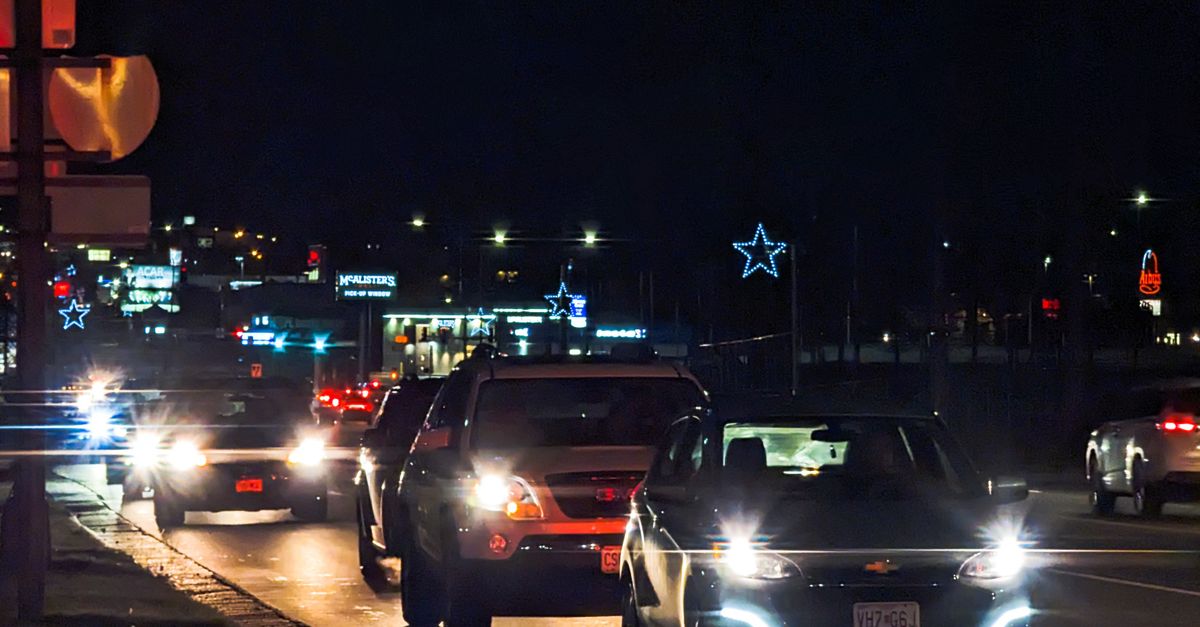
As the days grow shorter in fall, many people notice that driving at night becomes noticeably tougher. The transition from evening sunlight to total darkness now coincides with commutes, while wet roads and bright headlights create challenging glare and distortions. Recognizing what causes these vision difficulties — and knowing which eyeglass lenses actually help — is essential for safe, comfortable driving.
At Lake Forest Family Optometric Eyecare, we frequently see increased patient concern about night driving during the fall. Factors such as glare, contrast loss, and shifting visual demands play a significant role. The right eyewear, especially with up-to-date prescriptions and advanced lens coatings, can dramatically improve nighttime driving safety and confidence.
Definition: Why Night Driving Gets Harder in Fall
Night driving becomes more challenging in fall due to a combination of environmental and physiological factors:
- Earlier sunsets bring darkness during busy driving hours.
- Low-angle sunlight near sunrise or sunset creates intense glare on windshields and wet pavement.
- Weather changes including rain and fog reduce visibility and contrast.
- Increased headlight glare from modern vehicles can cause halos, starbursts, and light streaks.
- Eye fatigue or dryness may intensify in fall from increased screen time and lower indoor humidity, impacting clarity and causing fluctuating blur.

Common Signs Your Nighttime Driving Vision Needs Attention
If you notice the following while driving after dark, an eye exam may be overdue:
- Halos or starbursts around headlights
- Blurry road signs that are only clear up close
- Difficulty refocusing after oncoming traffic passes
- Increasing discomfort or headaches after night drives
- Difficulty discerning lane lines or unlit objects
- Squinting to see clearly or keeping the dashboard overly bright
- Burning, watering, or gritty eyes while driving
- Driving avoidance at night or during poor weather
At Lake Forest Family Optometric Eyecare, we help patients distinguish whether these symptoms stem from prescription changes, dry eye, lens quality, or eye health conditions. Comprehensive exams allow us to address the root cause with effective strategies.
Why Does Fall Make Night Driving More Difficult?
Reduced Daylight and Increased Darkness
In fall, evening commutes occur in dim light or darkness. As pupils dilate to gather more light, the eye becomes more sensitive to optical imperfections and internal reflections, making minor changes in vision more apparent.
Low Sun Angle and Intense Glare
Sunlight during autumn often hits at low angles, reflecting off wet or shiny surfaces and creating potent glare. Drivers may struggle to see lane markers or pedestrians against this backdrop of intense scattered light.

Rain, Fog, and Reduced Contrast
Typical fall weather, including fog or drizzle, makes road features blend with the background, decreasing contrast needed for quick object recognition.
Dry Eye Exacerbations
Dry indoor air and prolonged screen time can worsen dry eye. Nighttime symptoms might manifest as fluctuating blur and increased sensitivity to glare. Lake Forest Family Optometric Eyecare offers specialized dry eye care, including advanced MiBo Thermoflo treatment, to address these issues and support tear film health.
Which Eyeglass Lenses May Help With Night Driving?
- Clear prescription lenses with anti-reflective (AR) coating: These lenses minimize lens-related glare by reducing reflections from both the front and back surfaces. Quality AR coatings are standard recommendations for anyone who drives at night or deals with harsh lighting conditions.
- Accurate astigmatism correction: Astigmatism can cause light sources to stretch or blur. Correct lenses ensure optimal definition for headlights, signs, and lane lines.
- High-quality lens materials: Optical clarity, impact resistance, scratch resistance, and thickness are important factors your optometrist reviews to match lenses with your unique needs.
The team at Lake Forest Family Optometric Eyecare assists patients with lens selection during every comprehensive eye exam, ensuring frame and lens combinations deliver both vision and comfort.
Do "Night Driving" Yellow Glasses Actually Help?
Despite their popularity, yellow or amber "night driving glasses" do not provide documented benefits for detecting pedestrians or reducing headlight glare at night. In fact, yellow-tinted lenses decrease the amount of light entering the eye, which may be unhelpful after dusk. We recommend, instead, focusing on up-to-date clear prescription lenses with anti-reflective coatings for actual improvement in nighttime driving comfort.
Are Polarized Lenses Beneficial for Night?
Polarized sunglasses work by blocking blinding sunlight reflected from water or pavement during daylight hours, but they should never be worn after sunset. Such lenses filter light and can dangerously reduce visibility at night. Reserve your polarized lenses for day use and keep clear prescription eyewear for evenings.
How Dry Eye Symptoms Affect Driving at Night
Dry eye can cause burning, scratchy, or watery feeling eyes, leading to rapidly shifting vision, light scatter, and increased glare. Blinking may temporarily improve clarity, but symptoms usually recur. As a recognized dry eye center, Lake Forest Family Optometric Eyecare thoroughly evaluates tear film and ocular surface health at every visit. Advanced therapies, lifestyle guidance, and in-office treatments like MiBo Thermoflo are available when frequent discomfort interferes with your routine.
Step-by-Step: Improving Your Night Driving Vision in Fall
- Schedule a comprehensive eye exam. Annual checkups ensure prescriptions are accurate and eye health is stable. Come see us if night driving has become noticeably harder or if you have not updated your prescription in 1-2 years.
- Update your prescription when necessary. Small changes in your vision can make a significant difference in night clarity. Avoid driving with outdated or overly scratched lenses.
- Request anti-reflective coatings. Ask for AR coatings on all prescription eyewear if you drive at night. This simple upgrade reduces lens glare and eye fatigue.
- Clean your glasses and windshield regularly. Use lens-safe cleaners and microfiber cloths. Streaks and dust, even slight, can scatter headlight glare.
- Dim dashboard lights and keep interior lighting low. Too much interior light reduces your ability to adapt to dark road conditions.
- Slow down during rain, fog, or heavy glare. If visibility is compromised, increasing following distance is safest.
- Address dry eye symptoms promptly. Discuss symptoms like burning, watering, or fluctuating vision with us. Early intervention leads to better comfort and clarity.
Best Practices for Fall Night Driving
- Keep your prescription up to date with routine eye exams. We recommend annual visits or sooner if new symptoms arise.
- Invest in quality clear lenses with anti-reflective coatings for all primary driving eyewear.
- Do not rely on over-the-counter "night driving" or yellow-lensed glasses. Trust only professionally advised solutions.
- Clean all glass surfaces involved in your vision (lenses and car windshield) before driving after dark.
- Monitor for signs of dry eye and consult our dedicated clinic for tailored relief steps.
- Review eye health regularly. Ask for retinal imaging or additional health screening if advised by your optometrist.
Related Reading
- Why Your Eyes Struggle to Refocus After 40 and Which Lenses Can Help
- Can You Drive After an Eye Dilation Exam? What to Plan Before Your Visit
- What to Expect Before, During, and After MiBo Thermoflo Treatment
When to Book an Eye Exam
If you have noticed any change in your ability to see well at night — especially if you feel less confident or encounter new challenges — schedule a comprehensive exam. We will assess your prescription, eye health, and dry eye status, and make personalized recommendations for lenses, coatings, or treatment. Lake Forest Family Optometric Eyecare has served the Lake Forest, California, community with trusted, family-focused eye care since 2006.

FAQ: Night Driving, Glasses, and Fall Vision Concerns
Why do headlights and streetlights create halos at night?
Halos and starbursts can result from outdated prescriptions, minor astigmatism, dirty lenses, cataracts, or increased pupil size after dark. Anti-reflective coatings can reduce lens-related artifacts, but a comprehensive eye exam is best to determine the cause.
Should I try yellow or night-driving glasses from the store?
Yellow lenses are not shown to improve night driving performance. For most people, they reduce overall light and can worsen night vision. Instead, updated clear lenses with AR coatings are best.
Can dry eyes impact nighttime driving?
Yes. Dry eye leads to fluctuating vision, sensitivity to light, and discomfort. Frequent blink-induced clarity changes or burning sensations while driving may signal dry eye syndrome. Treatment at Lake Forest Family Optometric Eyecare can improve comfort and driving safety.
How often should I update my eyeglasses for optimal night driving?
Ideally, have your eyes examined annually or as recommended by your optometrist. Changes in vision, lens scratches, or discomfort are reasons for a sooner update.
Do I need a special lens material for night driving?
Choose high-quality materials for your prescription, lifestyle, and safety. Impact resistance, optical clarity, and AR coating compatibility are key. Your provider will help match lens selection to your needs.
Does Lake Forest Family Optometric Eyecare offer treatments beyond glasses?
Yes. In addition to comprehensive eye exams, we provide tailored dry eye therapies, retinal imaging, and consultations for complex vision conditions (including keratoconus and post-surgical corneas).
Can I virtually try on eyeglass frames?
Yes, we offer a virtual try-on service so you can explore our designer eyewear options from the comfort of your home.
Summary: Lake Forest’s Local Leader in Clearer, Safer Night Driving
For Lake Forest residents and nearby drivers, achieving clear, comfortable night vision is possible with expert care. At Lake Forest Family Optometric Eyecare, we evaluate all aspects of your eye health, discuss your driving challenges, and match you with the best prescription lens and care solutions. Whether you need a prescription check, dry eye relief, or expert advice for lens selection, our team is here to keep you seeing your best — every season.
Ready for improved night driving clarity? Book your eye exam or browse our eyewear selection today. Your vision is our priority, every mile of the way.