Headaches After Homework? How Screen Time and Vision Problems Affect Students

Many students experience headaches after homework, and the reasons are often more complex than simply "too much screen time." At Lake Forest Family Optometric Eyecare, we consistently find that a combination of prolonged digital device use, near work, and undiagnosed vision problems contribute to these post-study headaches. Students who complain about headaches after reading, computer work, or online classes may be showing early signs of digital eye strain or a treatable visual issue that is making learning harder than it needs to be.
Here in Lake Forest, parents frequently ask why their child experiences discomfort after homework, especially when the routine hasn't changed much. The answer usually lies in how the eyes are being used: extended concentration on screens decreases natural blinking, increases focusing demands, exposes minor vision problems, and can even trigger dry eye symptoms. If these issues aren’t addressed, headaches become a persistent barrier to academic focus and overall comfort.

Understanding Headaches After Homework: The Role of Vision and Screen Exposure
Headaches during or after homework are most often the result of digital eye strain, an umbrella term for symptoms caused by extensive use of screens or near work. According to medical research, common triggers include:
- Prolonged focus on digital screens (computer, tablet, phone)
- Reduced blink rate (causing dryness, irritation, or blurry vision)
- Poor lighting or screen glare
- Incorrect viewing posture or ergonomics
- Underlying visual conditions (like nearsightedness or astigmatism)
- Inadequate or outdated vision correction
It's important to recognize that not every student responds to the same amount of homework or screen time in the same way. Some students may develop significant discomfort after a short period, while others tolerate longer sessions without problems. Differences in focusing ability, eye teaming, and tear quality (dry eye) often explain this variability.
Common Vision Problems Behind Homework Headaches
- Nearsightedness (Myopia): Distance vision is blurry, leading to squinting and eye fatigue during reading and board work.
- Farsightedness (Hyperopia): The eyes work harder to keep images clear, especially up-close, eventually causing headaches.
- Astigmatism: Irregular eye shape creates blur and visual distortion, demanding more effort to maintain clarity while reading or using screens.
- Binocular Vision Difficulties: If the eyes do not coordinate well together, sustained reading and screen work can produce double vision, tired eyes, or headaches.
- Dry Eye: Blinking less during homework can worsen dry eye, leading to stinging, burning, or watery eyes and tiredness mistaken for general fatigue.
The professionals at Lake Forest Family Optometric Eyecare note that children, teens, and even college students frequently compensate for these issues in ways that go unnoticed—like holding screens very close or taking frequent breaks—until headaches begin to limit productivity or enjoyment of learning.
Identifying Vision-Related Headaches in Students
Parents and teachers are often the first to spot signs that a student's headaches may be vision-related. Watch for these warning signals:
- Squinting at screens or reading materials
- Sitting abnormally close to devices or books
- Rubbing eyes repeatedly or blinking excessively
- Needing to close one eye or tilt the head when reading
- Complaints of blurred or double vision after studying
- Less motivation to complete homework or frequent requests to take breaks
- Persistent neck, back, or shoulder tension after studying
If these symptoms occur, it's time to consider a comprehensive eye examination. Uncorrected vision problems may not cause difficulty seeing the board, but they can make all forms of reading and near work much more taxing, which leads to headaches and fatigue.
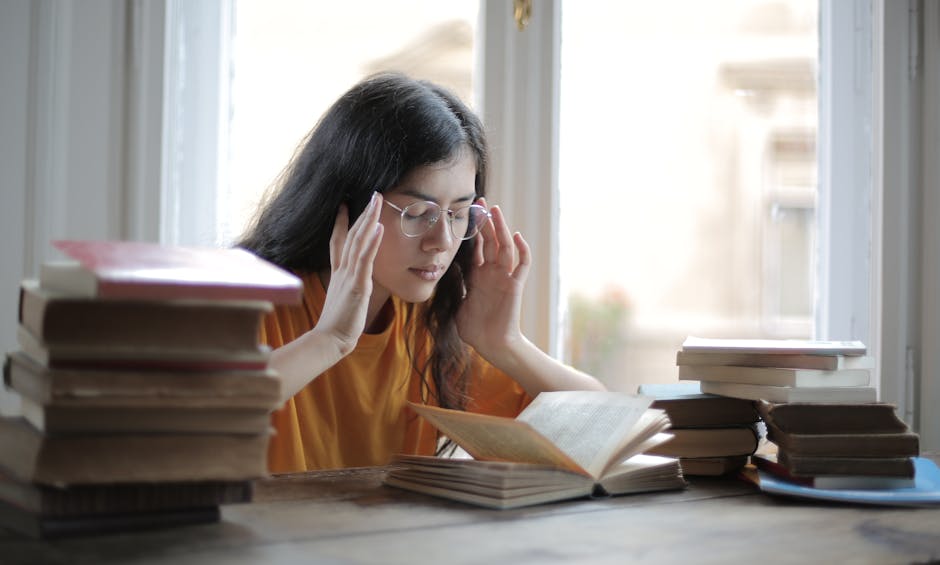
How Screen Time Affects Student Eye Health and Comfort
Current research clearly links higher total screen time levels to increased risk of frequent headaches in children and young adults. Headaches are especially likely when computer, tablet, or phone use exceeds two or three hours without adequate breaks. While many families notice the impact of computers, reading from books at close distances can also lead to the same symptoms if there are underlying vision or focusing issues.
Specific mechanisms contributing to screen-related headaches include:
- Reduced blinking: Students often blink far less while focused on screens, which quickly dries out the eyes.
- Blue light exposure: Prolonged screen use increases blue light exposure, which may worsen migraines or contribute to discomfort in sensitive individuals.
- Poor ergonomics: Inadequate lighting, improper seating height, or screens placed too high/low can increase neck strain and tension-type headaches.
Many students adapt unconsciously by moving closer, squinting, or developing poor posture—each of which can make the problem worse over time.
Step-by-Step: What to Do When a Student Develops Headaches After Homework
- Observe and identify symptoms: Look for squinting, eye rubbing, close viewing, or complaints of discomfort during or after study sessions.
- Implement healthy visual habits:
- Use the 20-20-20 rule: every 20 minutes, look at something at least 20 feet away for 20 seconds.
- Encourage frequent blinking to keep the eyes moist.
- Optimize lighting: avoid glare and use task lighting that matches screen brightness.
- Encourage upright, relaxed posture and proper screen placement.
- Limit late-night device use: Poor sleep can heighten headache frequency and severity.
- Monitor symptom persistence: If headaches or vision issues continue after adjustments, schedule a comprehensive eye exam with a trusted provider, such as Lake Forest Family Optometric Eyecare.
What to Expect from a Comprehensive Eye Exam at Lake Forest Family Optometric Eyecare
For students complaining of headaches or consistent eye discomfort, a quality eye exam goes far beyond "just reading the chart." At Lake Forest Family Optometric Eyecare, we conduct:
- Patient history and detailed symptom review (including frequency, duration, and triggers of headaches)
- Prescription evaluation for glasses or contact lenses
- Assessment of how the eyes focus (accommodation)
- Binocular vision and eye teaming (how well eyes work together for reading)
- Dry eye evaluation, especially for students reporting redness, burning, or watery eyes
- Dilation when medically appropriate to check internal eye health
- Recommendations tailored to each student’s unique needs and school environment
If your child is diagnosed with nearsightedness, farsightedness, or astigmatism, modern glasses and contact lenses are available directly from our clinic, including specialty fits for more complex needs. For those with significant dry eye symptoms, we offer advanced care options (see our Dry Eye Relief in Lake Forest blog).
Dry Eye: The Hidden Culprit in Student Headaches
Students are not immune to dry eye. Prolonged device use, especially in air-conditioned or heated environments, further dries the tear film, amplifying irritation and the feeling of tired eyes. At Lake Forest Family Optometric Eyecare, we offer the MiBo Thermoflo treatment—an advanced, comfortable approach for managing meibomian gland dysfunction and improving tear quality. This can be a game changer for students whose headaches stem from inadequately lubricated eyes rather than classic refractive errors.
Best Practices to Prevent Headache and Eye Strain in Students
- Encourage regular vision screenings—schedule an annual eye exam for all school-aged children. Problems can start before a student ever fails a vision screening at school.
- Set up an ergonomic study space with good lighting, an appropriate chair, and screens at or slightly below eye level.
- Model and teach the 20-20-20 rule and encourage regular breaks from screens and reading.
- Use blue light filters or device settings if recommended, especially for children sensitive to bright or flickering screens.
- Watch for changes in school performance or motivation, which may reflect unaddressed vision issues.
- Don’t ignore persistent headaches or eye strain—these are rarely "just normal growing pains." Schedule a thorough eye health evaluation.
When is it Migraines, Not Just Eye Strain?
Some students will experience migraine-type headaches rather than a dull, generalized ache. Signs that suggest a migraine include throbbing pain, nausea, light or sound sensitivity, and headaches that follow a consistent pattern. If these symptoms are present, a timely eye exam is still advised, as vision issues frequently complicate migraine management. Additionally, collaboration with your pediatrician or neurologist may be warranted for comprehensive care.
Frequently Asked Questions
What is digital eye strain and how does it cause headaches?
Digital eye strain is a group of symptoms—including tired eyes, blurred vision, dry eye, and headaches—brought on by extended periods of near work, especially with digital devices. Headaches occur when the muscles that control focusing and eye movements fatigue.
Are headaches after homework always from too much screen time?
No, while extended digital device use is a common cause, untreated vision issues such as nearsightedness, astigmatism, and poor eye teaming also play a major role. Sometimes headaches only appear after the eyes have worked harder than usual during study sessions.
How can I tell if my child’s headache is vision-related?
Look for associated signs: squinting, sitting close to screens or books, eye rubbing, frequent breaks during homework, or blurred vision complaints. If these are present, a comprehensive eye exam is recommended.
How often should students receive an eye exam?
The American Optometric Association recommends annual eye exams for children and teens, especially if symptoms like headaches, squinting, or reading difficulties are noticed. Lake Forest Family Optometric Eyecare specializes in pediatric and student eye health needs.
What treatments are available for dry eye in students?
Our clinic offers targeted dry eye therapies, including the MiBo Thermoflo device, which improves tear film health and relieves eye irritation. Simple environmental modifications and increased blinking are also encouraged.
Will new glasses or contacts help my child’s headaches?
In many cases, yes. Correcting underlying refractive errors or prescribing lenses for specific visual needs can significantly reduce headaches and improve comfort during schoolwork. Specialty fits are available for more complex needs at our clinic.
Are learning problems always caused by vision issues?
No, but unaddressed vision problems can worsen or mask underlying learning difficulties. Clear, comfortable vision supports concentration, reading speed, and academic success.
Should I schedule an appointment if headaches are occasional?
It is wise to schedule an eye exam if headaches occur more than a few times a month, disrupt homework, or are associated with other vision symptoms. Early intervention can prevent vision-related issues from impacting school performance.
Local, Reliable Vision Care in Lake Forest
If headaches, eye strain, or tiredness are interfering with your child's schoolwork, it's time for a detailed assessment. At Lake Forest Family Optometric Eyecare, we have served the community since 2006 with a focus on compassionate, student-centered care. We offer:
- Comprehensive eye exams for children and adolescents
- Contact lens fittings, including hard-to-fit and specialty lenses
- Red eye visits and rapid care for irritation or infection
- Advanced dry eye treatment options for students
- Glasses (including designer frames) for all ages
- Collaboration with schools, pediatricians, and specialists as needed
Every child deserves clear, comfortable vision. Let us help your student excel in and out of the classroom. For more tips on student eye health or to book an appointment, visit our website. You can also explore our prior guides on signs your child may need an eye exam and dry eye relief options in Lake Forest for more resources.