Smart Glasses vs Progressive Lenses: Which Is Better for Reading and Distance?
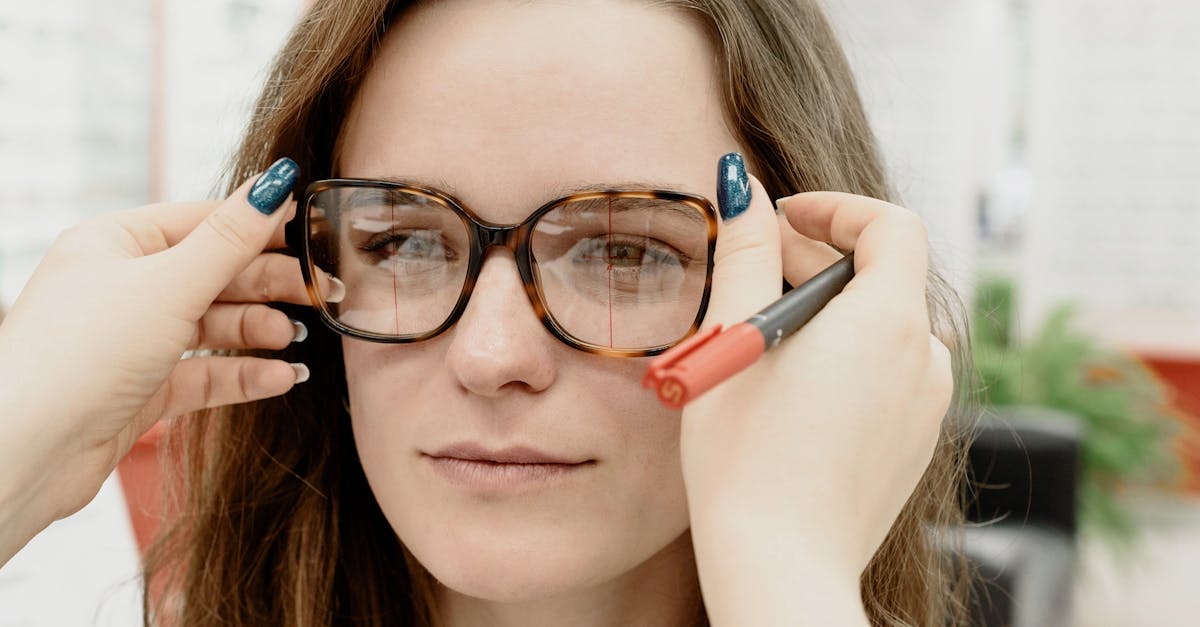
Many adults, especially those entering their forties and beyond, experience increasing difficulty with tasks like reading fine print and seeing distant objects clearly. When both near and far vision become challenging, two main optical solutions stand out: progressive lenses and smart glasses with autofocus technology. If you’re considering which is best for reading and distance vision, understanding the differences, strengths, and limitations of each will help you make an informed choice.
At Lake Forest Family Optometric Eyecare, we regularly guide patients through this decision, relying on clinical experience and up-to-date optical science. While both progressive lenses and smart autofocus glasses aim to deliver seamless vision at all distances, their technology, practicality, and suitability can vary widely depending on your lifestyle and eye health.
What Are Progressive Lenses and Smart Glasses? Definitions and How They Work
Progressive Lenses
Progressive lenses, also known as varifocals, are multifocal lenses designed to correct distance, intermediate, and near vision in a single pair of glasses. The power of the lens gradually transitions from the top (distance) to the middle (intermediate, such as computer work) and bottom (reading). This seamless change allows wearers to see clearly at all ranges with just one pair of spectacles, and without the visible bifocal line typical of older designs.
Smart Glasses (Autofocus Lenses)
Smart glasses with autofocus technology leverage electronics, liquid crystal or mechanical lenses, and sensors to automatically adjust their focal power. These glasses detect where you are looking and dynamically shift the prescription so you always get the optimal correction for the distance to your target—be it a book in your hand or a street sign ahead. The intention is to eliminate the need to move your head to find a lens “sweet spot,” instead delivering crisp focus wherever your gaze falls.
Understanding Presbyopia and Why Dual Correction Matters
With age, the eye’s natural lens loses flexibility, making it difficult to focus on close objects—a condition called presbyopia. Most people experience this between ages 40 and 50. Symptoms include needing to hold reading material farther away, eye strain during near tasks, and switching between multiple pairs of glasses. At Lake Forest Family Optometric Eyecare, presbyopia is a frequent topic during comprehensive eye exams, and addressing both reading and distance needs is central to maintaining quality of life.

Progressive Lenses: Advantages, Limitations, and Daily Life
Key Benefits
- All-in-one vision: One pair corrects distance, midrange, and reading vision without switching glasses.
- Seamless appearance: No visible line on the lens, with a natural look for all ages.
- Reliability: Requires no batteries or electronics; just wear and go.
- Variety of frame styles: Progressive lenses can be fitted into most frame designs, including popular styles like Gucci, RayBan, Calvin Klein, Nautica, and Nine West available at our store.
- Wide support and insurance coverage: Readily available at local optometrists. Vision insurance often provides significant lens allowances for progressives.
Everyday Experience
- To see distant objects, look straight ahead through the top of the lens.
- For computer or desk work, use the intermediate zone in the middle.
- Reading up close requires looking through the lower portion of the lens, sometimes tilting your chin up slightly.
Limitations and Adaptation
- Sweet spot for reading is narrow: Users must train their eyes and head to find the reading zone, which may lead to some adaptation discomfort, especially during the first days or weeks.
- Peripheral distortion: Some blurring or swim effect can occur at the lens edges.
- Not optimized for heavy near work: Intense reading or close work may be better served by task-specific glasses (“office” or “computer” progressives).
Personalized fitting by expert staff at Lake Forest Family Optometric Eyecare significantly reduces common issues by ensuring your progressives match your facial features and prescription needs.
Smart Glasses with Autofocus: Technology, Benefits, and Practical Concerns
How Autofocus Smart Glasses Work
- Embed tiny sensors to track where you are looking.
- The lens uses electronically-actuated materials to instantly change focus as your gaze shifts from near to far.
- Designed to provide a larger, more flexible area for reading and natural distance viewing without moving your head as much.
Advantages
- Automatic, dynamic focusing: No need to consciously find zones—the glasses adjust in real-time to where you’re looking.
- More natural reading position: Potential for a broader reading area at the center of the lens; less awkward head movement for switching tasks.
- Premium hardware for tech fans: Cutting edge design may appeal to those who like the latest technology.
Current Limitations
- Battery and power dependence: Requires charging. If the electronics fail or power runs out, you typically default to distance correction only.
- Early-stage technology: Most smart glasses are still in early phases of adoption and may face unforeseen reliability and comfort challenges.
- Availability and cost: These glasses generally cost more and aren’t widely available through typical optometry clinics. Insurance generally does not cover them.
- Adjustment and backup: May require a backup conventional pair for driving or when electronics are unavailable.

Comparing Progressive Lenses and Smart Glasses
| Feature | Progressive Lenses | Smart Autofocus Glasses |
|---|---|---|
| Vision Correction | Static zones for distance, intermediate, near | Automatic change in prescription wherever you look |
| Reading Experience | Requires finding and using the lower lens segment | Potentially seamless, more central reading area |
| Peripheral Clarity | Some distortion at lens edges | Design aims to minimize distortions, but not always perfect |
| Reliability | No batteries or electronics required | Needs charging; can revert to default if battery dies |
| Availability | Widely available at local practices like Lake Forest Family Optometric Eyecare | Limited access; mainly direct from manufacturers |
| Insurance | Frequently covered by vision plans | Generally not covered |
| Maintenance | Lens care and occasional updates | Charging, software updates, potential servicing |
Choosing the Best Solution: Real World Scenarios
When Progressive Lenses Are Generally Better
- Patients seeking a proven, widely available, and reliable solution for all-day use.
- Drivers who need stable distance correction while on the road.
- People who want insurance support and frame selection flexibility.
- Those with heavy reading or computer needs can benefit from customized progressives or separate task-specific lenses (like “office” lenses), which we often fit at our clinic.
Who Might Benefit Most from Smart Glasses?
- Tech enthusiasts open to experimenting with the latest optical innovations.
- Anyone frustrated with the adaptation needed for progressive lenses and who wants a more instant, intuitive shift from distance to near vision.
- Patients who already maintain a backup pair of conventional glasses for safety and reliability.
Special Considerations: Dry Eye, Eye Health & Digital Lifestyles
Not just vision correction, but overall ocular health should be part of your decision. Presbyopia often coincides with symptoms of dry eye—burning, grittiness, watery eyes—which can worsen with long periods of focused near work. At Lake Forest Family Optometric Eyecare, we offer targeted therapy for dry eye, including MiBo Thermoflo treatment. Addressing both your tear film and prescription ensures the most comfortable experience with any eyewear technology.
Advanced medical exams, like retinal photos and diabetic eye health checks, also inform the safest lens choices for every patient. Before considering major changes in eyewear or technology, a thorough eye exam is essential. For more details on why regular diabetic retinal photos are important, see our guide on diabetic retinal photos.

Key Steps Before Deciding
- Book a comprehensive eye exam at our Lake Forest clinic to confirm your current refractive needs and overall eye health.
- Share your daily routine—driving, screen use, hobbies—so our expert doctors can recommend the most comfortable solution.
- If you are interested in smart glasses, bring your questions and be ready to discuss potential for adaptation. If you already own them, we can ensure your underlying prescription matches your device.
- Consider a backup plan: Even if you try smart glasses, keep a traditional pair of glasses on hand, especially for essential tasks like driving.
Best Practices for Long-Term Comfort and Vision
- Have regular eye exams for any prescription or technology updates.
- Work with experienced providers—at Lake Forest Family Optometric Eyecare, we excel at customizing lens designs for all lifestyles and frame preferences.
- For digital workers, consider anti-glare coatings and task-specific lenses to minimize eye strain.
- Address any dry eye or surface discomfort—it can significantly affect your satisfaction with any new eyewear.
- Explore our previous guides for more eye care advice (for instance, why dry eyes get worse in summer and what can help).
Frequently Asked Questions (FAQ)
What is the safest and most reliable choice for both reading and distance vision?
Progressive lenses remain the primary, most established solution for people who want clear vision at all distances in one pair of glasses, with dependable performance and broad insurance support.
Are smart autofocus glasses safe for driving?
Most designs default to distance correction if the electronics fail, making them safer for driving. However, progressive lenses remain the gold standard for stability on the road.
Do progressive lenses require adaptation?
Yes, there is usually a short adaptation period as your eyes and brain learn to use the correct segment for each task. This can range from several days to a few weeks. Proper fitting by expert opticians greatly reduces adaptation problems.
What are the typical costs and insurance coverage for both options?
Progressive lenses are often covered by vision insurance plans. Smart glasses are rarely covered and usually have a higher upfront cost due to electronics and technology integration.
Can children or young adults use either solution?
These technologies are usually designed for adults with presbyopia. Children and younger adults are less likely to need progressive or autofocus lenses, but any young person experiencing vision changes should have a thorough eye exam.
How should dry eye be managed with bifocals, progressives, or smart glasses?
Dry eye can be treated in parallel with updating your glasses prescription. Our dry eye clinic at Lake Forest Family Optometric Eyecare offers advanced therapies such as MiBo Thermoflo, helping enhance overall visual comfort.
Conclusion: Our Expert Guidance
For most adults managing both reading and distance vision needs, expertly fitted progressive lenses remain the first and most trusted solution. Smart glasses provide intriguing features, especially for tech-forward users, but they still have limitations in reliability, power requirements, and widespread optometric support. At Lake Forest Family Optometric Eyecare, we recommend a thorough, personalized eye exam before making any decision and remain available to help you trial frames, lenses, and emerging technologies safely. Book your comprehensive exam with our dedicated team to ensure your prescription, health, and comfort all come first. We look forward to helping you experience your best vision, both near and far.