What Happens During a Contact Lens Exam and Who Needs a Specialty Fitting

If you are considering contact lenses for the first time or have been told you need a specialty fitting, understanding the full contact lens exam process is essential. A contact lens exam is not simply an add-on to a standard eye test—it's a specialized evaluation designed to ensure that contact lenses are the safest and most comfortable vision option for your unique eyes. At Lake Forest Family Optometric Eyecare, we have built our reputation as Orange County’s premier destination for expert contact lens care, including both routine fittings and complex specialty cases.
Through a detailed exam, state-of-the-art measurements, and a personalized approach, our clinic determines if your eyes are healthy enough for contacts, matches you with the ideal lens, and ensures that even "hard to fit" patients—such as those with keratoconus, post-surgical corneas, or severe dry eye—find a comfortable and effective vision solution. Below is an in-depth look at what to expect from a contact lens exam, the unique steps involved in a specialty fitting, and best practices for ongoing lens health and comfort.

What Is a Contact Lens Exam?
A contact lens exam is a specialized assessment performed by an optometrist to determine your suitability for contact lenses. It goes beyond a typical glasses prescription in several key ways:
- Evaluates your overall eye health and vision needs
- Measures your cornea’s shape and size, plus pupil and iris diameter
- Assess tear film quality to predict lens comfort
- Fits trial contact lenses and provides insertion/removal training if you’re a new wearer
Unlike standard eye exams, this process ensures that the chosen contact lenses not only correct your vision but also fit your eyes safely and comfortably. At Lake Forest Family Optometric Eyecare, a comprehensive eye exam is performed first, followed by contact lens-specific measurements and fitting procedures.
Step-by-Step: What Happens During a Contact Lens Exam
1. Review of Medical and Vision History
The exam begins with a detailed discussion about your eyes and lifestyle. We ask about current symptoms (such as dryness or redness), medical history (past surgeries or chronic conditions like diabetes), your daily visual needs (work, sports, reading), and previous experiences with contacts. This background allows Lake Forest Family Optometric Eyecare to tailor the lens selection and care advice to your needs.
2. Comprehensive Eye Exam
All patients undergo a thorough evaluation that may include:
- Visual acuity test using an eye chart
- Refraction to determine your spectacle prescription
- Glaucoma screening (eye pressure measurement)
- Corneal and retinal health evaluation—sometimes with dilation
- Retinal photographs and visual field analysis, as indicated
Our goal is to confirm your overall eye health and identify any factors that could influence contact lens success.
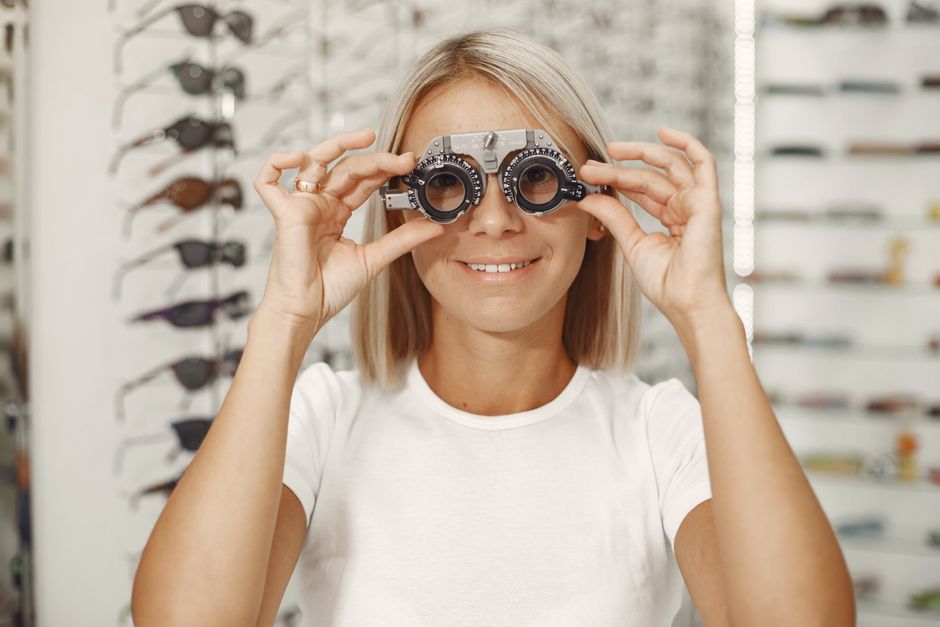
3. Precision Measurements
- Corneal Curvature/Topography: Measures the front surface of your eye to select a lens that fits the unique contour of your cornea, important for both comfort and vision sharpness
- Pupil and Iris Size: Determines lens diameter, particularly vital for specialty or multifocal lens designs
These assessments are non-contact and quick, using advanced optical equipment for reliable results.
4. Tear Film and Ocular Surface Evaluation
We assess whether your eyes produce enough tears and if your tear film can support contact lens wear without excessive dryness or irritation. For patients with dryness, Lake Forest Family Optometric Eyecare may recommend a visit to our Dry Eye Clinic to improve comfort before you start with contact lenses.
5. Contact Lens Selection
- Soft contact lenses: Daily, biweekly, or monthly disposables for general vision correction
- Toric contacts: For astigmatism
- Multifocal lenses: If you need correction for both near and far vision
- Rigid gas permeable (RGP) or scleral lenses: For specific eye conditions or highly customized needs
We thoroughly discuss your lifestyle, preferences, and any challenges to recommend the best type for your needs.
6. Trial Lens Fitting and Performance Assessment
We select trial lenses from our in-office supply and place them on your eyes. After a short settling period, our doctor will examine the fit and lens movement with a microscope, checking for:
- Central positioning over the cornea
- Proper movement with blink (too tight or loose are both problematic)
- Initial comfort and vision quality
7. Training for First-Time Wearers
If you are new to contact lenses, we provide hands-on lessons on safe insertion, removal, and cleaning. You will not be released with a prescription until demonstrating confident, safe handling of your lenses.
8. Trial Wear Period and Follow-Up Visit
After the initial fitting, you will take home a supply of trial lenses and return for a follow-up in one to two weeks. At this visit, we assess how the lenses have performed in your daily life, both in terms of comfort and vision quality. We use slit lamp examination to assess eye health with the lenses on and again immediately after removal. If needed, lens brand, fit, or care routines may be adjusted, ensuring the final prescription supports long-term healthy wear.
Who Needs a Specialty Contact Lens Fitting?
Some patients have eyes that are “hard to fit” with standard contacts. At Lake Forest Family Optometric Eyecare, we are specially equipped and experienced to help patients with:
- Keratoconus or other corneal ectasias (cone-shaped or irregular corneas)
- Post-surgical corneas (after LASIK, PRK, corneal transplants, or cross-linking)
- High or irregular astigmatism
- Corneal scarring
- Dry eye disease or meibomian gland dysfunction
- Very high or complex prescriptions
- Significantly large or small eyes, pupils, or irises
Specialty fittings often involve more advanced testing, multiple trial lens designs, and several follow-ups to optimize fit and comfort. We receive referrals from eye surgeons and other specialists throughout the area for these complex cases.
When Should You Consider a Specialty Fitting?
- If previous standard contacts have never provided clear vision or comfort
- If you’ve been diagnosed with keratoconus, post-surgical changes, or severe dry eye
- If your prescription is beyond normal lens ranges
- If you experience lens intolerance despite changing brands or solutions
In these cases, custom options such as rigid gas permeable or scleral lenses can dramatically improve both vision and comfort.
Dry Eye and Contact Lens Comfort
Dry eye is a common barrier to successful contact lens wear. Symptoms include burning, gritty sensation, and redness. At our Dry Eye Clinic, we provide advanced treatments such as MiBo Thermoflo therapy to address meibomian gland dysfunction, helping many patients achieve comfort and lens tolerance. We also offer access to discounted dry eye products and personalized home care instructions for lasting relief.

How Long Does a Contact Lens Exam Take?
- For experienced wearers: approximately 45 to 60 minutes
- For first-time wearers: 60 to 90 minutes (includes training)
- Specialty fittings: may require several visits over a few weeks
Arriving early and bringing your current glasses, any past lens boxes, and vision/medical insurance information will help your visit go smoothly.
Best Practices for Contact Lens Safety and Comfort
- Have a full contact lens exam yearly or as recommended by your doctor
- Only wear contacts prescribed and fitted for you; do not share or buy non-prescription lenses
- Follow care/hygiene routines exactly, especially for reusable lenses
- Replace your lenses and storage case as directed, even if they seem clean
- Do not "top off" disinfecting solutions in your lens case; always use fresh solutions
- Remove lenses and contact your optometrist if you develop redness, pain, decreased vision, or persistent discomfort
- If you struggle with dryness or irritation and want to learn more, see our previous blog Dry Eye Relief in Lake Forest: Exploring Advanced Treatments and Home Care Options for additional insight.
Frequently Asked Questions
Do I need a contact lens exam if I already have glasses?
Yes. A glasses exam does not include the precise eye measurements, tear film assessment, or trial fitting needed for contact lenses. Only a dedicated contact lens exam provides the data and evaluation necessary for safe and healthy lens use.
How often should I get a contact lens check?
Most wearers should have a full exam at least once a year to monitor eye health, ensure proper fit, and update the prescription as needed. Some specialty or complex cases require more frequent visits.
Are contact lens exams uncomfortable?
No. The procedures are non-invasive and painless. Some steps, such as air puff glaucoma tests or wearing contacts for the first time, may feel strange, but most people quickly adjust and find the exam process easy.
Can children and teens wear contact lenses?
In many cases, yes. With emphasis on hygiene and responsibility, we fit children and teens when appropriate. Maturity and ability to follow lens care are key deciding factors.
What should I bring to a contact lens exam?
Bring your current glasses, any old lens boxes or records, and your insurance information to help us match or improve on your prior vision solutions.
Why Trust Lake Forest Family Optometric Eyecare?
Since 2006, Lake Forest Family Optometric Eyecare has served as a top-rated, family-centered clinic recognized for expertise in both routine and complex contact lens cases. We offer the area’s best comprehensive eye exams, an extensive contact lens selection (including solutions for hard-to-fit eyes), and advanced dry eye care. Our compassionate team is here to provide precise, personalized recommendations and to ensure that every patient receives the safest, healthiest, and most effective vision correction available.
If you are in Lake Forest or surrounding Orange County communities and want a thorough, expert-led contact lens exam or specialty fitting, we encourage you to book your appointment online or call us today. Let us help you see clearly and comfortably—whatever your vision needs.